
How to Choose the Right Crane Rigging Equipment?

Choosing the right crane rigging equipment is not a matter of selecting the largest sling or shackle. It requires a clear understanding of the load, lift path, connection points, and working environment. A 10-ton steel frame may need different equipment from a 10-ton concrete panel. Its center of gravity, sharp edges, temperature, and lifting angles can change the entire plan.

Mike Parnell, a respected lifting and rigging safety educator, states, “There is no such thing as a routine lift.” That warning deserves attention. Before choosing crane rigging equipment, a competent person should verify the load weight, rated capacity, sling angle, hardware condition, and crane configuration. Wire rope slings, chain slings, synthetic web slings, shackles, spreader beams, and hooks each have specific strengths and limitations. The equipment tag matters. So does the inspection date.

Small details can decide the result. A synthetic sling may need corner protection against a sharp beam edge. A low sling angle can increase tension dramatically. A damaged latch, distorted shackle, or unreadable identification tag should stop the lift. Do not guess.

A sound selection process also considers weather, surface contact, chemical exposure, visibility, and communication between the operator and crew. Check the manufacturer’s instructions and applicable workplace standards. A checklist improves consistency, but it is not perfect. It can miss an unusual load or a poorly placed connection. That is why experienced teams pause, question assumptions, and revise the plan when conditions change. Safe crane rigging begins with evidence, not habit.
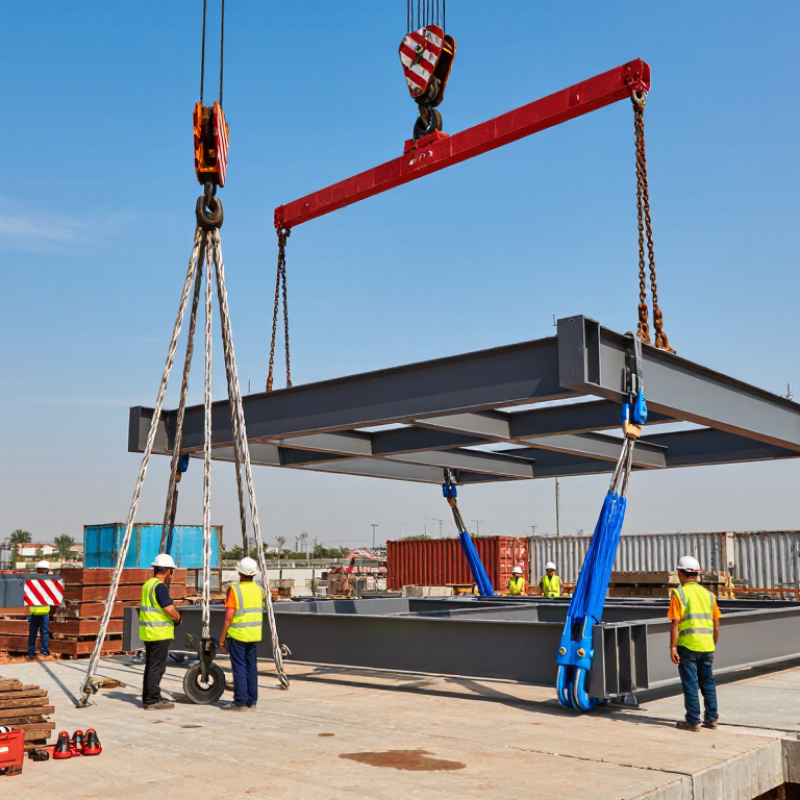
How to Choose the Right Crane Rigging Equipment?

Define the Load, Lift Conditions, and Worksite Requirements

How to Choose the Right Crane Rigging Equipment?

Define the Load, Lift Conditions, and Worksite Requirements

Choosing rigging equipment begins with the load, not the crane catalog. Record weight, dimensions, center of gravity, lifting points, and surface condition. Include hooks, shackles, spreader beams, and other gear in the total lifted weight. Confirm each component’s working load limit and inspect identification tags before use.

Lift conditions can change the selection quickly. Sling angles increase leg tension, especially when the angle becomes shallow. Protect slings from sharp edges, heat, chemicals, and crushing points. Check headroom, travel distance, landing space, wind exposure, and possible obstructions. A qualified lift planner should verify the load path and communication method. Never rely on an estimate made from appearance.

The worksite also deserves a close look. Check ground stability, crane access, exclusion zones, lighting, and weather limits. Keep people away from suspended loads. Use only inspected equipment that matches the planned configuration. A drawing may look complete yet miss a drain cover or a tight turning radius. That small omission can delay the lift or force a rushed decision. Recheck the plan with the operators and riggers at the actual site. Paperwork is not reality.
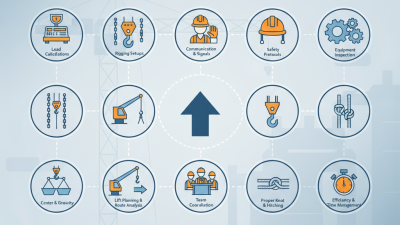
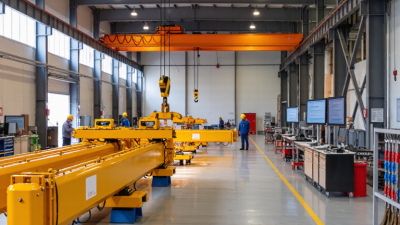
Match Rigging Equipment to Load Shape, Weight, and Lifting Method

How to Choose the Right Crane Rigging Equipment?

Choosing rigging equipment starts with the load, not the crane. Measure its weight, length, width, and lifting points. A compact steel block may suit a chain sling, while a painted panel needs soft, protective slings. Check the load’s center of gravity before connecting anything. If it sits off-center, the load can tilt suddenly. I have seen careful teams recheck this step after an awkward lift. It remains worth repeating.

Tips: Confirm the working load limit for every component. Include sling angles, hardware weight, and possible shock loading. Keep sling legs evenly tensioned. Select hooks, shackles, and lifting beams that match the planned method. Use edge protection around sharp corners. Inspect for cuts, cracks, deformation, heat damage, and unreadable markings. Remove questionable equipment from service. Follow current workplace procedures and applicable safety standards.

The lifting method also changes the equipment choice. A vertical lift may require different connections than a basket hitch or choker hitch. Narrow openings can need special hooks or rated lifting points. Long loads may require a spreader beam to control bending and rotation. Never assume a heavier sling is automatically safer. Its connection may still be unsuitable. A practical lift plan should identify attachment points, travel path, landing area, and communication signals. I sometimes find one detail missing: the landing surface. That small oversight can create a large problem.

How to Choose the Right Crane Rigging Equipment?

Match the rigging equipment to the load shape, weight, and lifting method. This chart shows the ideal lifting capacity of a symmetric two-leg sling assembly when each sling leg has a 5-ton working load limit (WLL). Capacity decreases as the sling angle becomes more horizontal.

For long or balanced loads, use a properly rated spreader beam or lifting beam. For cylindrical or slippery loads, consider suitable choker configurations with edge protection. For compact loads with certified lifting points, vertical or two-leg bridle lifting may be appropriate. Actual WLL must be reduced when required by the sling type, connection method, load angle, edge conditions, shock loading, or uneven load distribution. Always follow the sling and crane manufacturer's rated capacity.

Evaluate Working Load Limits, Safety Factors, and Equipment Ratings

Choosing crane rigging equipment starts with the working load limit, not the cable’s impressive breaking strength. WLL is the maximum permitted load under stated conditions. Breaking strength is not an operating target. Record the load weight, lifting points, center of gravity, and expected movement. A 4,000-kilogram load may create much higher tension at angled legs. Geometry matters. A shallow sling angle can overload each leg quickly. Calculate leg tension before selecting equipment.

Safety factors create distance between rated capacity and failure, but they cannot replace careful planning. The correct factor depends on equipment type, configuration, design, and applicable standards. Check the identification tag, WLL, length, diameter, grade, and inspection status. Confirm that shackles, hooks, links, and slings form one compatible system. The weakest component controls the lift. Sudden starts, snagging, or swinging can create forces that static calculations miss. Lift slowly. Stop if the load shifts.

Ratings also depend on temperature, edge contact, chemical exposure, bending radius, and wear. Protect synthetic slings from sharp corners, and remove damaged equipment from service immediately. In field inspections, small cuts and unreadable tags are easy to dismiss. That is a mistake. A tidy checklist can still mislead when load data is uncertain. Have a qualified lifting professional verify unusual lifts. Recheck the plan when the load, weather, crew, or lifting path changes. One overlooked detail can alter a controlled lift.

How to Choose the Right Crane Rigging Equipment? — Evaluate Working Load Limits, Safety Factors, and Equipment Ratings

Equipment Type Representative Rated Capacity Range Typical Design or Safety Factor Primary Rating Basis Important Capacity Reduction Factors Selection and Inspection Requirements
Alloy Steel Chain Sling
(Grade 80 or Grade 100)
Approximately 0.5–30 metric tonnes per assembly Commonly 4:1 minimum for Grade 80/100 chain assemblies WLL is determined by chain diameter, grade, number of legs, hitch type, and sling angle. The assembly must be rated by its weakest component. Choker hitches, sharp edges, unequal leg loading, low sling angles, heat, corrosion, and damaged or elongated links. Use only marked, grade-identified chain and compatible fittings. Check links, hooks, master links, latches, and weld areas before each use. Do not shock-load or knot the chain.
Wire Rope Sling
(Steel Wire Rope)
Approximately 0.5–20 metric tonnes per single-leg assembly Commonly 5:1 minimum for wire-rope sling construction WLL depends on rope diameter, rope construction, core, end termination, hitch configuration, and the manufacturer's certified rating. Kinks, bird-caging, crushed sections, broken wires, corrosion, small-diameter bends, choker hitch reductions, and sharp contact points. Inspect for broken wires, abrasion, corrosion, heat damage, deformation, and damaged sockets or eyes. Use protective sleeves at edges and maintain the minimum recommended D/d bend ratio.
Synthetic Web Sling
(Polyester or Nylon)
Approximately 1–20 metric tonnes per sling Commonly 5:1 minimum WLL is based on material, width, ply construction, eye configuration, hitch type, and the certified vertical rating shown on the identification tag. Choker and basket configurations, sharp edges, cuts, melting, chemical exposure, ultraviolet degradation, knots, and temperatures outside the sling specification. Remove from service for cuts, burns, melted fibers, broken stitching, chemical damage, illegible tags, or excessive abrasion. Never tie knots or drag a loaded sling across a surface.
Synthetic Round Sling
(Endless or Eye-and-Eye)
Approximately 1–30 metric tonnes per sling Commonly 5:1 minimum WLL is based on the core material, cover condition, sling circumference, hitch type, and the certified rating for the specific configuration. Cover damage can expose the load-bearing core. Capacity is also reduced by choker use, low angles, tight bends, heat, chemicals, and edge contact. Inspect both the protective cover and load-bearing core. Use corner protectors, keep the sling away from hot surfaces, and verify chemical compatibility before use.
Shackle
(Anchor or Chain Type)
Approximately 0.5–150 metric tonnes Often 6:1, but the certified product rating governs WLL is based on shackle body size, material, pin diameter, bow or dee configuration, and whether the load is applied in-line or at an angle. Side loading, multi-leg sling angles, unscrewed or bent pins, point loading, shock loading, and loads not centered in the bow. Confirm that the pin and bow carry matching identification marks. Center the load, keep the load on the bow rather than the pin, and use a screw pin or bolt-type configuration appropriate to the lift.
Eye Hook or Swivel Hook Approximately 1–100 metric tonnes Varies by hook design and applicable standard WLL is established by the hook design, material, latch arrangement, loading direction, and certified manufacturer rating. Side loading, tip loading, loading on the latch, overload, shock loading, excessive throat opening, twisting, and a missing or damaged latch. Load the bowl of the hook, not the tip or latch. Confirm that the latch closes correctly, inspect for cracks and deformation, and do not exceed the permitted angle or side-load condition.
Master Link or Master Link Assembly Approximately 1–100 metric tonnes Determined by the certified assembly rating The rating depends on link diameter, material, assembly geometry, number of connected sling legs, and the specified sling angle. Unequal leg loading, concentrated contact, incompatible hooks, distortion, wear, corrosion, and sling angles that increase leg tension. Use only with compatible hooks and connectors. Check for wear at contact points, cracks, deformation, and identification marks. Ensure all legs are arranged to share the load as intended.
Spreader Beam or Lifting Beam Commonly 2–200+ metric tonnes, depending on engineered design Must be established by engineering design and applicable regulations Capacity is based on structural analysis, beam self-weight, lifting-point locations, allowable load distribution, deflection limits, and the certified design rating. Off-center loads, uneven pick points, compression or tension changes, dynamic loading, beam deflection, damaged welds, and incorrect sling geometry. Use the engineered drawing and marked WLL. Verify beam weight, lifting-point orientation, inspection status, and the permitted pick-point arrangement before every lift.
Plate Clamp or Beam Clamp Approximately 0.5–20 metric tonnes per clamp Product- and application-specific WLL depends on jaw design, material thickness, surface condition, clamp orientation, and whether the device is intended for vertical lifting or horizontal handling. Incorrect plate thickness, oily or painted surfaces, side loading, lifting plates horizontally with a vertical clamp, shock loading, and worn gripping components. Use only on the specified material and thickness range. Ensure full jaw engagement, clean contact surfaces, correct orientation, and a positive locking mechanism where required.
Capacity checks before lifting: The actual lifted load must include the payload, rigging hardware, lifting beam, spreader, and any other suspended accessories. For a two-leg sling with equal loading, approximate leg tension is calculated as leg tension = load ÷ (2 × sin θ), where θ is the sling angle measured from the horizontal. At 60°, each leg carries approximately 0.577 times the load; at 45°, approximately 0.707 times the load; and at 30°, approximately the full load. Avoid sling angles below 30° unless specifically approved by a qualified lifting professional. Always use the lowest WLL in the complete load path, follow applicable regulations and recognized standards, and use the current certified rating for the exact equipment configuration.

Inspect Materials, Hardware, and Compatibility Before Each Lift

How to Choose the Right Crane Rigging Equipment?

Inspect Materials, Hardware, and Compatibility Before Each Lift

A safe lift begins with a close inspection, not a quick glance. Examine slings for cuts, broken stitching, heat damage, crushed fibers, and chemical stains. Wire rope needs careful checking for kinks, birdcaging, corrosion, and broken wires. Chain links should remain even, without stretching or deep gouges. Small defects can become serious under tension.

Check every shackle, hook, eye bolt, and master link. Confirm the working load limit is visible and suitable for the planned load. Test hook latches for movement and inspect pins, threads, and connecting surfaces. Never rely on appearance alone. Clean metal may still contain hidden damage. That is easy to miss.

Compatibility deserves equal attention. Match the sling material with the load, lifting angle, connection point, and edge condition. A sharp corner can cut synthetic material without warning. Confirm that hooks sit correctly and that shackles carry force through their intended alignment. Calculate the load effect at each sling angle. I have seen teams focus on equipment capacity while overlooking the load’s center of gravity. That mistake deserves more attention. Before lifting, a qualified person should review the setup, remove questionable gear, and record the inspection. Stop when something feels uncertain.

Select, Maintain, and Replace Rigging Equipment Safely

How to Choose the Right Crane Rigging Equipment?

Select, Maintain, and Replace Rigging Equipment Safely

Choose slings, shackles, hooks, and spreader beams for the load, lift angle, and environment. Confirm each item’s working load limit before connection. A lower sling angle increases tension sharply, even when the load appears light. The U.S. Bureau of Labor Statistics recorded 5,283 fatal work injuries in 2023. Transportation and material-moving occupations accounted for 1,053 deaths. These figures are not crane-specific, but they show why lifting controls deserve daily attention. Experience matters here. A clean-looking sling can still hide internal damage.

Inspect rigging before every shift, after severe loading, and whenever conditions change. Look for broken wires, stretched links, cuts, heat damage, distorted hooks, and missing identification tags. OSHA requires daily sling inspections before use under 29 CFR 1910.184. Remove defective equipment immediately. Do not “use it one last time.” That judgment can fail quickly. Record inspection dates, findings, repairs, and retirement decisions. Replace equipment when damage exceeds manufacturer criteria, markings disappear, or its history becomes uncertain. HSE’s 2023/24 report recorded 138 worker fatalities in Great Britain, including 51 in construction, reinforcing the need for disciplined controls.

Tips: Keep slings off sharp edges with suitable protectors. Store them dry, clean, and away from welding sparks. Check the lifting plan at the worksite. No checklist replaces competent judgment.