Why Choose a Hydraulic Crane for Global Projects?
Global construction is becoming heavier, faster, and more geographically demanding. The International Energy Agency reported that global clean-energy investment exceeded $2 trillion in 2024. This growth requires wind turbines, substations, bridges, ports, and industrial facilities to be assembled safely. A hydraulic crane provides controlled lifting power across these changing environments.
The Global Mobile Crane Market Report by Research and Markets identifies infrastructure investment as a major growth driver. It also highlights demand for mobile equipment with stronger capacity and improved operational flexibility. Modern hydraulic crane systems can travel between sites, lift precise loads, and operate with limited setup time. That matters when projects face narrow roads, uneven ground, or strict delivery schedules.
The machine is not a universal answer.
Tadano President and CEO Toshiaki Hirano has stated, “Safety is our highest priority.” That principle should guide every equipment decision. Operators still need verified load charts, ground assessments, competent supervision, and suitable attachments. Hydraulic pressure alone cannot solve poor planning. It can, however, support safer and more productive work when matched correctly to the project.
KHL Group’s Yellow Table 2024 recorded $248.5 billion in construction equipment sales among the world’s leading manufacturers. This figure reflects continuing global demand, but it does not guarantee that every crane choice is efficient. Fuel use, transport permits, maintenance access, local training, and climate conditions require careful review. A hydraulic crane becomes valuable when its mobility, lifting accuracy, and service network align with real site conditions. That alignment takes experience, not assumptions.
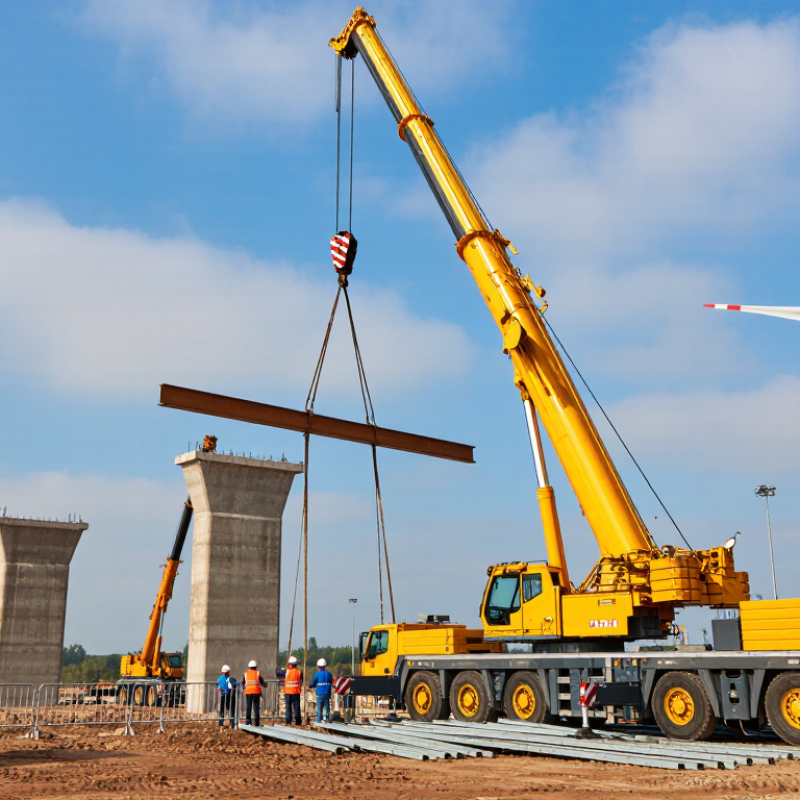
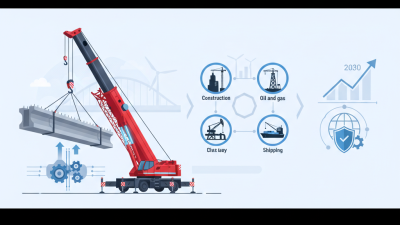
Hydraulic cranes are mobile lifting machines that use pressurized fluid to move heavy loads. Unlike basic mechanical hoists, they combine controlled power with flexible positioning. This makes them practical for ports, bridge sites, energy facilities, and remote construction projects. Their lifting capacity depends on boom length, load radius, ground conditions, and configuration.
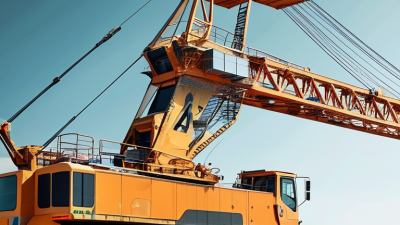
The main components include a hydraulic pump, reservoir, control valves, cylinders, motors, boom, hook, counterweight, and outriggers. The engine drives the pump, which sends hydraulic fluid through valves. Cylinders extend or retract the boom, while hydraulic motors rotate the upper structure and operate the winch. Load-holding valves help prevent sudden movement if pressure changes. Still, pressure alone does not determine safe capacity. Geometry matters.
On global projects, transport size, climate, operator training, and local regulations can affect crane selection. Dust can contaminate fluid. Cold weather may slow hydraulic response. Hot conditions can increase leakage and reduce efficiency. Experienced crews inspect hoses, fittings, oil levels, tires, and ground support before lifting. They also verify load charts at the actual working radius. A small oversight can change the risk significantly. Wind readings may shift quickly, especially near tall structures. No plan is perfect. Good operators keep checking conditions and adjust cautiously when field reality differs from the original calculation.
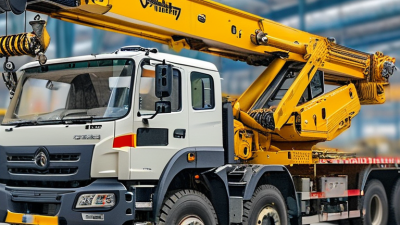
Hydraulic cranes suit global construction projects because they combine lifting power with practical site mobility. The Global Infrastructure Hub’s Global Infrastructure Outlook estimates that global infrastructure investment may reach 94 trillion dollars by 2040. Many projects will operate across remote, crowded, or rapidly changing locations. Hydraulic systems support controlled lifting, telescoping, and accurate load placement. That control matters when positioning steel beams beside active roads or concrete panels above narrow foundations.
Transport efficiency is another advantage. A hydraulic mobile crane can often travel between work zones without permanent tower structures. Its outriggers create a stable working platform on prepared ground. Operators can adjust boom length and lifting radius for different site conditions.
The International Organization for Standardization’s ISO 4301-1 emphasizes crane classification according to duty cycles and load conditions. This supports better equipment selection across varied projects. Not every site needs the largest crane. That assumption can waste fuel, time, and budget.
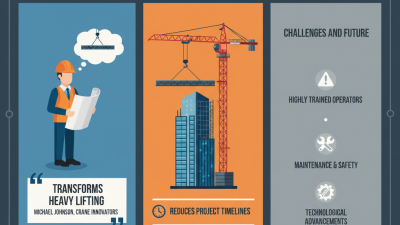
Hydraulic cranes also support safer, more measurable operations when teams follow inspection and load-control procedures. ISO 9927 provides a framework for crane inspections, while project teams can combine it with local regulations and manufacturer guidance. Field experience shows that weather, soil strength, and operator communication often influence performance more than advertised capacity. This is easy to underestimate. Deloitte’s 2024 Engineering and Construction Industry Outlook highlights continuing labor and productivity pressures across the sector. Hydraulic controls may reduce unnecessary manual effort, but they cannot replace competent planning, trained operators, or disciplined maintenance.
Why Choose a Hydraulic Crane for Global Projects?
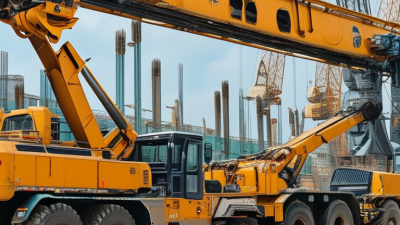
Hydraulic crane selection should follow the worksite, not the catalog. Mobile hydraulic cranes suit highways, bridges, and urban construction because they travel between lifts. Truck-mounted models reduce transport steps and support short-duration work. Rough-terrain cranes handle muddy compounds, uneven access roads, and compact industrial sites. They are not magic. Poor ground preparation can still overturn a well-rated machine.
Crawler hydraulic cranes provide higher stability for wind farms, refineries, and modular construction. Their tracked undercarriages spread pressure across soft ground. This matters as renewable construction expands. The Global Wind Energy Council reported 117 gigawatts of new wind capacity worldwide in 2023. Each project may require repeated lifts for towers, nacelles, cables, and maintenance equipment. A crane’s lifting chart must match radius, height, wind limits, and load shape.
Telescopic cranes offer fast boom adjustment. Lattice-boom hydraulic cranes can provide greater reach for heavier components, but transport planning becomes harder. In my view, many project delays begin with underestimated setup space. A 60-ton lift may need more than 60 tons of planning. Outriggers, mats, exclusion zones, spare hoses, and local inspections all affect productivity. The International Energy Agency’s Renewables 2024 report recorded about 510 gigawatts of global renewable capacity additions in 2023, increasing demand for adaptable lifting systems. Yet weather, customs delays, and unfamiliar soil data can weaken the original plan. Conservative load calculations are usually cheaper than emergency changes.
Why Choose a Hydraulic Crane for Global Projects?
Selection Criteria for International Hydraulic Crane Operations
Choosing a hydraulic crane for international work requires more than checking lifting capacity. Site teams must examine load charts, boom length, working radius, and ground pressure. A crane rated for 100 tonnes may lift much less at extended reach. That detail can change the entire project plan. Confirm local certification requirements and operator qualifications before shipment. Regulations differ between countries, and translated documents may still need official approval. Reliable technical records matter.
Climate and transport conditions also influence selection. In coastal areas, salt exposure can accelerate corrosion around pins, hoses, and electrical connections. In cold regions, hydraulic oil performance and battery capacity deserve close attention. Check axle limits, road access, border procedures, and available maintenance support. Spare hoses and filters should be practical to source locally. They should not depend on one distant supplier. That sounds obvious, but projects sometimes overlook it.
Tips: Match the crane to the heaviest realistic lift, not the average lift. Request recent inspection records. Test emergency systems before arrival. Keep the lift plan clear and bilingual where needed. A perfect choice is rarely possible. Field conditions change, and early assumptions can prove wrong. Allow room for weather delays, uneven ground, and limited repair facilities. Experienced planners treat these uncertainties as design inputs, not minor inconveniences.
Hydraulic cranes are selected for international projects because they combine lifting power, mobility, and flexible deployment. The chart compares representative capacity and boom-length benchmarks across common hydraulic crane configurations.
Values are rounded industry benchmarks for representative machine classes and are not brand-specific specifications. Final selection should be verified against the manufacturer’s load chart, transport regulations, terrain conditions, and project lifting radius.
Hydraulic cranes suit global projects because they combine precise control with compact transport. Their telescopic booms can reach difficult areas without extensive assembly. However, safety depends on planning, not hydraulic power alone. The ILO estimated 2.93 million work-related deaths worldwide in 2023. Lifting operations deserve serious control.
Before each lift, crews should verify ground bearing capacity, wind limits, load charts, and communication signals. Operators need documented training and practical assessment. Daily inspections should examine hoses, outriggers, hooks, wire ropes, and leak points. Small defects become serious under pressure. ISO 9927 supports structured crane inspections, while ISO 4309 addresses wire-rope examination and discard criteria.
Maintenance records should follow the machine across borders. This is often overlooked. Transport planning must include axle loads, bridge limits, road permits, escort requirements, and local dimensions. Hydraulic oil, filters, and replacement seals may also require regional sourcing. Regulatory checks should compare the project location with applicable standards, such as OSHA 1926 Subpart CC, EN 13000, or ASME B30.5. Requirements can differ even between neighboring jurisdictions.
The HSE report Fatal Injuries in Great Britain 2023/24 recorded 51 construction worker fatalities, reinforcing the need for controlled site procedures. A competent lifting supervisor should review the lift plan, exclusion zone, emergency response, and weather forecast before work begins. Practical judgment still matters.