
Moving cargo from China to Dubai involves more than booking a vessel or aircraft. China To Dubai Shipping requires careful planning, accurate paperwork, and clear communication with every party. This guide explains the process in practical steps, from choosing a supplier in Shenzhen, Guangzhou, or Yiwu to arranging final delivery in Dubai. You will see how to compare sea freight, air freight, and express options. Each choice affects cost, speed, and handling requirements.
Details matter.
A typical shipment may include cartons of electronics, textiles, or home goods packed on a pallet. Before shipping, confirm the product description, quantity, weight, dimensions, and commercial value. Use an appropriate Incoterm, such as FOB or DAP, after confirming responsibilities with your supplier and freight forwarder. Required documents can include a commercial invoice, packing list, bill of lading, and customs information. A reliable forwarder should explain Dubai import procedures clearly, not hide charges in vague estimates. Transit times can change because of port congestion, weather, inspections, or warehouse delays. That reality deserves attention. Even experienced shippers sometimes underestimate destination fees or provide dimensions that differ from the packed cargo. Reviewing measurements twice can prevent costly surprises. This article offers a structured route for planning, booking, tracking, customs clearance, and receiving your shipment legally and safely. It also highlights common mistakes, practical cost checks, and questions worth asking before payment.
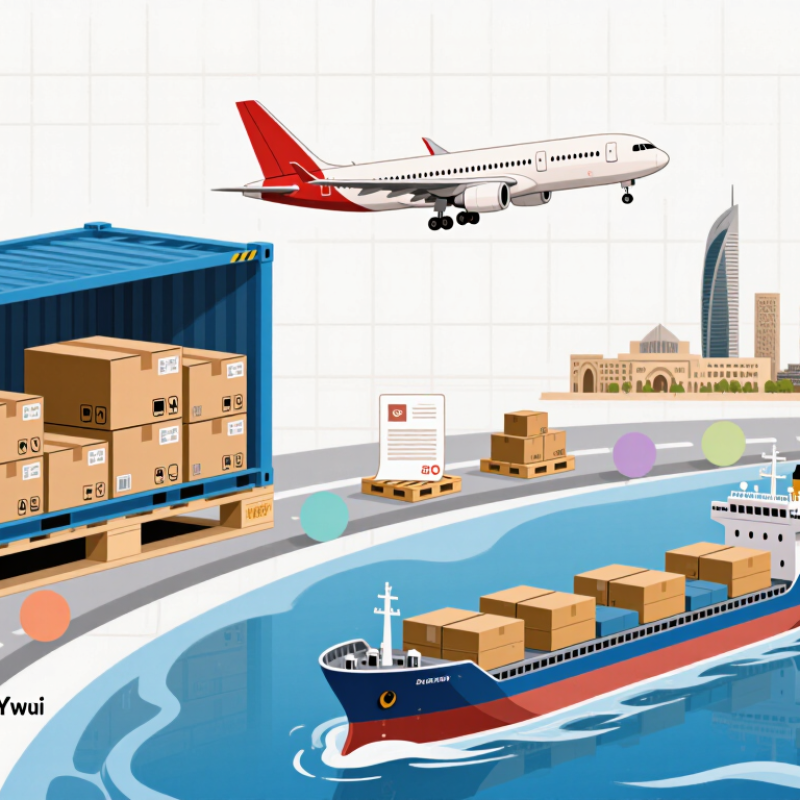
Choosing the shipping method depends on cargo size, urgency, budget, and delivery location. Air freight suits small, valuable shipments that must arrive quickly. Sea freight works better for pallets, furniture, and larger commercial orders. Transit times vary, but sea cargo often takes several weeks. Road delivery usually handles the final movement from Dubai’s port or airport to the warehouse.
Before booking, confirm the cargo dimensions, gross weight, package count, and product description. A 1.2-meter pallet may cost more by volume than by weight. Prepare the commercial invoice, packing list, and transport documents carefully. The importer should also check current UAE customs requirements and any product-specific permits. Rules can change. I have seen delays caused by one unclear item description.
Tips: Compare at least two shipping quotations. Ask whether customs clearance, local delivery, storage, and handling fees are included. Confirm the delivery term in writing, such as who pays duties and who arranges unloading. Use strong cartons, moisture protection, and visible labels for fragile goods. Keep photos before pickup. Small details matter.
A reliable freight partner should explain each charge and provide shipment tracking. They should also identify realistic transit times, not only the fastest estimate. Leave time for inspections, weekends, and document corrections. My practical preference is simple: choose sea freight for stable, planned inventory, and air freight when a short delay could disrupt operations.
Shipping from China to Dubai starts with accurate product documents. Prepare a commercial invoice, packing list, sales contract, and clear HS code. Each document should show the same product description, quantity, unit price, and country of origin. The importer’s full details must match the shipping instruction. Check whether a certificate of origin or conformity document is required for the product. Requirements can vary by category. Do not guess.
Packaging should protect the goods during handling, humidity, and long transit. Use strong cartons, internal cushioning, and waterproof wrapping where suitable. Record each carton’s dimensions and gross weight before booking freight. Wooden pallets or crates may require approved treatment and marking. Product labels should show essential information clearly, with Arabic details when local rules require them. Fragile items need visible handling instructions, but labels cannot replace proper protection.
Before export, confirm China’s customs declaration details with a qualified freight professional. The invoice value, HS code, and packing data must be consistent. For sea freight, check container loading and seal records. For air freight, verify the chargeable weight. Ask the Dubai importer to confirm customs, product registration, and duty requirements before shipment. A common mistake is preparing documents only after cargo reaches the warehouse. I would review every page twice. It feels slow, but one missing number can delay clearance. My checklist is useful, not perfect, so unusual products deserve an official review.
Shipping from China to Dubai starts with a precise booking plan. Confirm the cargo type, carton count, dimensions, gross weight, pickup address, and preferred transport method. Share the destination details and agreed trade terms with your freight coordinator. Request available sailing or flight dates, transit time, charges, and the cargo cut-off time. Space should be reserved only after these details match your purchase order.
Prepare the commercial invoice, packing list, sales contract, and origin information before the booking is finalized. The product description, quantity, declared value, and HS code must remain consistent across every document. China Customs may request additional information, such as exporter registration details or supporting certificates. Never use vague descriptions like “general goods.” A clear description reduces questions and inspection delays.
Submit the customs declaration through the approved electronic system or an authorized customs agent. Review the draft carefully before submission. One wrong carton count can create trouble. After acceptance, customs may release the shipment directly or select it for inspection. Keep samples, photos, and product specifications available when requested. I have seen avoidable delays caused by hurried document checks. A final review of names, addresses, weights, and invoice currency is worth the extra few minutes.
Typical working hours for booking a shipment and completing China export customs procedures.
These indicative planning ranges cover a standard commercial shipment. Actual timing depends on cargo readiness, document accuracy, carrier schedules, customs review, and whether an inspection is required.
How to Ship from China to Dubai Step by Step?
A practical shipment starts with accurate cargo details and a realistic delivery plan. Confirm the product description, quantity, dimensions, weight, and correct HS code before booking transport. Use a commercial invoice, packing list, and bill of lading or air waybill. Small errors can delay clearance.
Track the shipment through pickup, export clearance, departure, arrival, and customs processing. Tracking may pause during port handling or inspection. That does not always mean the cargo is lost. Contact the carrier when the status remains unchanged for several working days. In Dubai, the importer or appointed customs representative submits the declaration and supporting documents. Customs may request proof of value, origin, or product specifications. Keep every document consistent.
Import charges usually depend on the declared value, HS classification, shipping cost, and applicable Dubai rules. Customs duty and VAT may apply. Request a written estimate before shipping, but treat it as provisional. Final charges can change after inspection or reclassification. Pay through the approved customs process, then confirm the release notice before arranging local delivery.
Tips: Check the HS code with a qualified customs professional. Leave space in your budget for storage, inspection, and handling fees. Follow tracking daily. I have seen delays caused by one missing page, not difficult cargo. Review the documents twice; assumptions often become expensive.
| Step | Shipping Stage | Typical Time | Key Actions | Documents and Data Required | Tracking Milestone | Typical Cost or Charge | Completion Result |
|---|---|---|---|---|---|---|---|
| 1 | Confirm the Shipment Plan | 1–2 business days | Confirm the product description, quantity, weight, dimensions, destination address, delivery terms, and preferred transport mode. | Commercial invoice draft, packing list, consignee details, HS code, country of origin, and selected Incoterm. | Booking request accepted and shipment reference created. | Transport cost depends on cargo weight, volume, mode, season, and delivery terms. | Ready to Book |
| 2 | Prepare and Pack the Cargo in China | 1–3 business days | Inspect the goods, use export-appropriate packaging, label each package, and record gross weight, net weight, and package dimensions. | Final commercial invoice, packing list, carton or pallet count, product specifications, and safety documents when applicable. | Cargo received at the origin warehouse or terminal. | Packing, handling, inspection, and warehouse charges may apply. | Cargo Accepted |
| 3 | Complete Export Clearance in China | 1–3 business days | Submit the export declaration, verify the HS classification, and provide any required permits or inspection documents. | Commercial invoice, packing list, export declaration, transport document, and product certificates where required. | Export declaration accepted and cargo released for departure. | Export service, documentation, and terminal charges vary by shipment and cargo type. | Export Released |
| 4 | Move the Shipment from China to Dubai | Sea freight: approximately 18–30 days Air freight: approximately 3–7 days | Monitor departure, transshipment if applicable, arrival estimates, and any carrier or terminal status updates. | Bill of lading for sea freight or air waybill for air freight, booking confirmation, and cargo insurance details if purchased. | Departed origin, in transit, arrived in the United Arab Emirates, and discharged at the terminal. | Freight rates fluctuate according to route, fuel costs, cargo volume, and service level. | Arrived in Dubai |
| 5 | Prepare the Dubai Customs Declaration | 1–2 business days | Check the HS code, customs value, importer details, restricted-goods requirements, and consistency between the invoice, packing list, and transport document. | Commercial invoice, packing list, bill of lading or air waybill, certificate of origin when required, importer identification, and permits for controlled goods. | Declaration submitted and customs inspection or document review initiated. | Customs declaration and clearance service fees may apply and vary by shipment. | Declaration Filed |
| 6 | Handle Customs Inspection or Document Queries | 0–3 business days | Respond to requests for clarification, provide missing documents, arrange inspection when selected, and correct inaccurate shipment information. | Product catalogues, technical specifications, conformity documents, permits, certificates, or additional valuation evidence when requested. | Customs inspection completed, query resolved, or declaration returned for amendment. | Inspection, amendment, storage, demurrage, or detention charges may apply if the shipment is delayed. | Customs Approved |
| 7 | Calculate and Pay Import Charges | Same day to 2 business days | Review the customs assessment, settle the required amounts, and retain the payment receipt for accounting and delivery records. | Customs declaration, assessed customs value, invoice, freight and insurance amounts, importer details, and payment confirmation. | Payment accepted and customs release message issued. | Customs duty is commonly 5% of the customs value. VAT is commonly 5% and is calculated on the taxable import value, including applicable customs duty. Additional government, terminal, clearance, and handling fees may apply. | Import Charges Paid |
| 8 | Collect or Deliver the Shipment in Dubai | 1–3 business days | Arrange terminal release, local transport, final delivery, unloading, and receipt confirmation at the consignee’s address. | Customs release, delivery order, transport instruction, proof of delivery details, and identification or authorization where required. | Released from terminal, out for delivery, delivered, and proof of delivery completed. | Local delivery, terminal handling, storage, and last-mile charges depend on the location and cargo characteristics. | Delivered |
Arrange final delivery before the vessel reaches Dubai. Confirm the consignee’s trade license, phone number, delivery address, and receiving hours. A missing detail can delay an otherwise cleared shipment.
The World Bank’s Logistics Performance Index 2023 ranked the UAE seventh among 139 economies. This supports efficient logistics, but local coordination still matters. UNCTAD’s Review of Maritime Transport 2023 reports that over 80% of global merchandise trade by volume moves by sea. After arrival, check the bill of lading, commercial invoice, packing list, and customs release against the physical cargo. Verify carton counts, seal numbers, labels, and visible damage before unloading.
Use photographs and record the delivery time. Ask the receiver to sign a proof of delivery showing shortages or damage. Do not accept “received in good condition” without inspection. That shortcut causes disputes. For temperature-sensitive or fragile goods, compare the agreed handling requirements with the delivery record. If cartons are wet, crushed, or resealed, pause acceptance and notify the carrier, warehouse, and supplier immediately. Keep the delivery note, inspection photos, customs documents, and tracking history together for several months. A practical weakness remains: final-mile appointments can change quickly during traffic peaks or public holidays. Reconfirm the booking on the previous working day, and allow a realistic buffer.