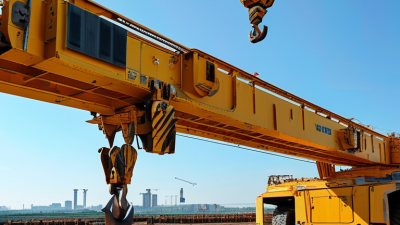
Choosing the right residential crane is not simply a matter of selecting the smallest machine available. Your property, load, access route, and lifting height must all fit together safely. A narrow driveway may require a compact crawler crane. A roof truss project may need a truck-mounted crane with greater reach. Small mistakes can create serious delays.
“Every safe lift begins with a clear plan before the crane arrives,” says crane safety specialist Mark Bridgwater. His point is practical. Before choosing a residential crane, inspect the ground, overhead lines, nearby buildings, and working radius. Measure the heaviest load, not only the average one. Check the manufacturer’s load chart at the exact boom length and lifting distance.
Ground conditions matter more than many homeowners expect. Wet soil, paving stones, and buried drainage systems may not support heavy outriggers. A crane can look stable and still become unsafe under pressure. That detail is easy to overlook.
The best choice also depends on local access and weather. Narrow streets may limit delivery vehicles. Wind can affect roof panels, glass, and suspended materials. A qualified operator should review the lift plan, communication method, exclusion zone, and emergency procedure.
The cheapest option may seem sensible. It may be completely unsuitable. Project owners should confirm the crane’s capacity, inspection records, operator qualifications, and rental terms. Independent advice can prevent costly assumptions. Even experienced teams sometimes miss one site detail. Careful planning remains the most reliable part of any residential crane decision.
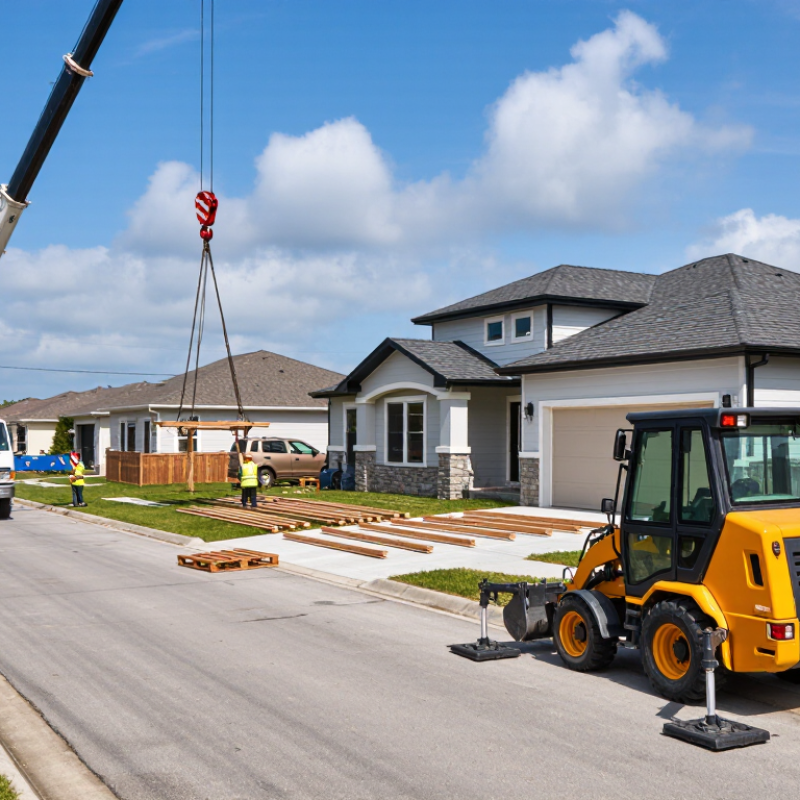
How to Choose the Right Residential Crane for Your Project?
Define the Project Scope and Crane Requirements
Start with the load, not the crane. Record the heaviest item, dimensions, lifting points, and center of gravity. Include slings, spreader beams, and other lifting accessories in the total weight. A 2,000-kilogram roof truss may require more capacity at reach than expected. Distance changes everything.
Measure the working radius from the crane’s center of rotation to the landing point. Check driveway width, overhead branches, nearby structures, soil condition, and power-line clearance. The U.S. Occupational Safety and Health Administration requires employers to evaluate ground conditions before crane setup. NIOSH research recorded an average of 72 construction-worker deaths annually from crane-related incidents between 2003 and 2009. These figures are old, but they remain a serious planning warning.
Residential sites often hide difficult constraints. A compact crane may access a narrow driveway, yet its reduced capacity can limit the lift. Outriggers also need firm, level support and sufficient clearance. Ask a qualified lifting professional to review the load chart, setup plan, weather limits, and communication method. Confirm operator qualifications and local requirements before mobilization. Do not rely on a rough guess. I have seen planning assumptions change after one site measurement. That is the uncomfortable part. A careful scope can still miss underground services, fragile paving, or a changing wind forecast. Build realistic margins, document them, and revise the plan when site conditions differ.
| Residential Project Scope | Typical Load Examples | Typical Load Weight | Typical Working Height | Typical Working Radius | Suitable Crane Category | Key Site Requirements | Primary Planning Checks |
|---|---|---|---|---|---|---|---|
| Roof Truss and Timber Installation | Roof trusses, engineered timber beams, roof panels, and bundled framing materials | 0.5–3 tonnes per lift | 8–18 metres | 6–18 metres | Compact mobile crane or small truck-mounted crane | Firm access route, sufficient setup space, and clearance from the building façade | Confirm the heaviest bundle, lifting radius, roof landing zone, and maximum allowable ground pressure |
| Precast Wall and Floor Panel Placement | Precast wall panels, floor slabs, stairs, and structural concrete sections | 2–10 tonnes per lift | 6–22 metres | 8–25 metres | Mobile crane or crawler crane, depending on ground and access conditions | Level working area, adequate outrigger or track support, and unobstructed lifting path | Use the manufacturer’s certified component weight and check lifting points, radius, and tail-swing restrictions |
| Steel Frame Erection for a New Home | Steel columns, beams, bracing assemblies, and connection frames | 1–8 tonnes per lift | 8–25 metres | 10–30 metres | All-terrain mobile crane or crawler crane | Prepared access road, stable bearing surface, and space for crane positioning and material delivery | Review the load chart at the actual radius rather than relying only on the crane’s maximum rated capacity |
| HVAC and Mechanical Equipment Installation | Heat pumps, rooftop units, boilers, generators, and large ventilation equipment | 0.3–5 tonnes per lift | 5–20 metres | 8–28 metres | Truck-mounted crane or compact mobile crane | Suitable street access, lifting clearance above the roof, and protection for finished surfaces | Measure equipment dimensions, centre of gravity, lifting accessories, roof capacity, and final placement route |
| Swimming Pool and Landscape Construction | Pool shells, precast steps, stone blocks, retaining-wall sections, and landscaping materials | 0.5–6 tonnes per lift | 3–12 metres | 5–22 metres | Compact mobile crane, spider crane, or mini crawler crane | Restricted access, low-clearance operation, surface protection, and minimal disturbance to landscaped areas | Check narrow-access dimensions, boom clearance, outrigger placement, underground utilities, and ground-bearing capacity |
| Glass, Window, and Façade Installation | Large glazing units, curtain-wall sections, window assemblies, and façade panels | 0.1–2 tonnes per lift | 4–20 metres | 5–20 metres | Compact mobile crane with suitable vacuum lifting equipment | Controlled lifting zone, wind protection, clear façade access, and clean, level setup surface | Verify panel dimensions, suction equipment capacity, wind limits, lifting points, and exclusion-zone requirements |
| Basement and Foundation Construction | Rebar cages, formwork, concrete skips, pumps, and excavation support components | 0.5–8 tonnes per lift | 5–18 metres | 6–24 metres | Mobile crane, crawler crane, or tower crane for extended construction programs | Stable ground near the excavation, safe edge distance, and unobstructed access for deliveries | Assess excavation stability, crane surcharge effects, lift sequence, underground services, and concrete-pour timing |
| Multi-Storey Residential Construction | Rebar, formwork, masonry materials, façade components, and mechanical equipment | 1–10 tonnes per lift | 15–60 metres | 15–45 metres | Self-erecting tower crane or tower crane for repeated lifting over a long project duration | Dedicated foundation or base system, lifting corridor, delivery coordination, and site boundary control | Compare total lift count, project duration, required radius, tie-in needs, erection method, and dismantling access |
| Renovation in a Confined Urban Property | Demolition waste containers, structural beams, bathroom modules, roofing materials, and plant equipment | 0.2–4 tonnes per lift | 4–18 metres | 5–18 metres | Spider crane, mini crawler crane, or compact truck-mounted crane | Restricted road access, limited setup area, overhead obstruction control, and protection of adjacent property | Measure the narrowest access point, check floor and pavement loading, identify power lines, and establish a traffic plan |
| Chimney, Roof, and Structural Repair | Roofing materials, chimney sections, temporary steelwork, scaffolding components, and repair equipment | 0.1–2 tonnes per lift | 8–30 metres | 6–25 metres | Truck-mounted crane, compact mobile crane, or material hoist for lighter repetitive loads | Stable roadside setup, safe roof landing area, overhead clearance, and controlled access below the work zone | Confirm the heaviest individual item, wind conditions, roof loading, lifting frequency, and exclusion-zone size |
Planning note: The ranges shown are typical preliminary planning values, not crane operating limits. Final selection should be based on the manufacturer’s load chart, the actual load weight and radius, site conditions, local regulations, and a lift plan prepared by a qualified lifting professional.