What Is the Best Type of Safety Crane in 2026?
Choosing the best safety crane in 2026 is not a matter of picking the largest model or newest control system. The right choice depends on the lift, worksite, load path, and people operating the equipment. A compact mobile crane may suit a tight urban project, while a tower crane can serve a high-rise site with repeated lifts. A rough-terrain crane may be better where access is uneven. Each option has limits.
Crane-safety author David V. MacCollum’s work highlights the importance of identifying hazards and controlling them before lifting begins. In paraphrase: a crane’s safe performance depends on the lift plan, equipment condition, and informed decisions on site. That principle matters when checking ground support, rated capacity, wind exposure, rigging, and communication. A chart can look reassuring. Conditions can still change.
This guide compares common crane types through practical safety criteria, including setup demands, load stability, operator visibility, and maintenance needs. It also considers how sensors and automated alerts can support—not replace—trained judgment. The best choice is the crane that fits the lift and can be operated safely throughout the job. That answer is sometimes less obvious than a product ranking suggests. A careful review may reveal trade-offs, and not every site assessment will be perfect.
What Defines a Safety Crane and How Is It Used?
A safety crane is lifting equipment selected and operated to control predictable hazards, not a guarantee against every accident. Its structure may use a bridge, jib, or boom, with a hoist and controls matched to the load and workspace. Rated capacity, stable supports, limit devices, emergency stops, and clear operator visibility all matter. The safest choice depends on the lift.
In a workshop, an overhead crane can move a machine part along a marked route. On a smaller job, a jib crane may handle loads near one work cell. Before lifting, workers check the crane, hooks, slings, and load weight against the equipment’s capacity information. They keep the travel path clear and agree on signals. A brief test lift can reveal an uneven load or slipping rigging.
Details matter. Paper plans can look tidy; a suspended load may swing when wind, a sudden stop, or poor balance changes its motion. Operators should move smoothly and stop if visibility or communication is lost. Even careful teams can miss small changes, so inspections and honest reporting of defects matter. The crane’s safeguards help, but they cannot replace sound judgment and task-specific training.
Which Main Types of Safety Cranes Are Available in 2026?
Which Main Types of Safety Cranes Are Available in 2026?
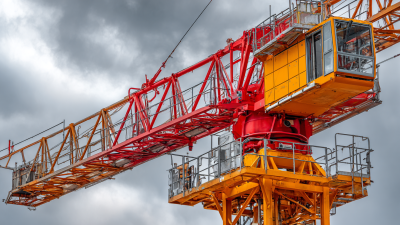
“Safety crane” is not one machine category. The right choice depends on the load, ground, headroom, and travel path. Mobile hydraulic cranes suit changing job sites; outriggers need firm, level support. Crawler cranes move on tracks and can handle rough ground, but their travel routes require planning. Tower cranes lift high above dense construction sites, while overhead bridge cranes run along fixed rails inside buildings. Gantry cranes span open work areas, and jib cranes serve smaller, localized lifting zones. Each has limits.
Safety depends on setup and use, not crane type alone. A NIOSH report reviewed 632 crane-related construction deaths in the United States from 1992 to 2006. This historical count is not a 2026 risk rate, but it underscores the importance of planning lifts, checking ground conditions, and keeping workers clear of suspended loads.
(Source: NIOSH, Crane-Related Deaths in Construction and Recommendations for Their Prevention, 2008.)
Tips: Match capacity to the full load radius, not just the load’s weight. Check wind, overhead obstructions, and outrigger or track conditions before lifting. If the site plan changes, pause and reassess. Even a careful choice can miss a detail.
What Safety Features Distinguish Modern Crane Types?
What Is the Best Type of Safety Crane in 2026?
What Safety Features Distinguish Modern Crane Types?
Modern crane safety depends on the task, the site, and how equipment is configured. Overhead and gantry cranes often use travel limits, overload protection, and emergency stops. Mobile cranes may add outrigger monitoring and load-moment indicators. These systems warn operators when a load or boom approaches a defined limit. Useful, but not magic.
On a busy site, a proximity sensor can alert a mobile-crane operator to nearby equipment. A wind-speed monitor can flag conditions that affect a suspended load, especially at height. Anti-two-block devices help prevent the hook block from striking the boom tip. Cameras also improve visibility around blind spots, though glare or dust can still obscure a screen. Small details matter.
The best safeguards work together: clear alarms, readable displays, reliable brakes, and controls that prevent unsafe movement. Still, alarms can become background noise. That deserves honest attention. Operators need practical training, and crews should inspect safety devices before lifting. A sensor cannot spot every hazard, and a checklist cannot replace judgment. Crane type matters, but so do maintenance, site conditions, and the people using the equipment.
How Do Worksite Conditions Affect Crane Selection?
What Is the Best Type of Safety Crane in 2026?
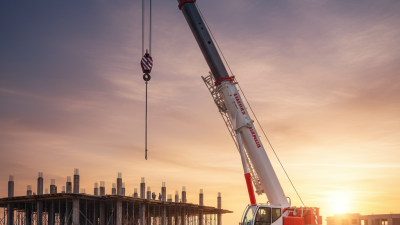
Worksite conditions often matter more than a crane’s headline capacity. Start with the ground. Soft fill, wet clay, buried services, or a sloped access road can undermine stability. The U.S. Occupational Safety and Health Administration requires ground conditions to support the equipment and its load. A crawler crane spreads its weight across tracks, but still needs a prepared setup area. A rough-terrain mobile crane may suit uneven access, provided its outriggers have properly sized mats and firm bearing.
Space changes the decision. Measure the lift radius, overhead clearance, and route for both the crane and its counterweights. A compact urban site may favor a smaller mobile crane; a long-duration project with repeated lifts may justify a tower crane. Wind matters. So do nearby structures and power lines. NIOSH’s analysis of U.S. data from 1992–2006 recorded 632 worker deaths in crane-related incidents. That figure is a sobering reminder to plan each lift, not proof that one crane type is always safer.
Before selecting equipment, compare the load chart with the heaviest planned load at its actual radius, then check ground pressure and setup space with a qualified lift planner. Record changing conditions, such as rain-softened soil or gusting wind, and reassess before work continues. No chart captures every muddy corner. That is where careful site inspection, and honest judgment, still count.
What Is the Best Type of Safety Crane in 2026?
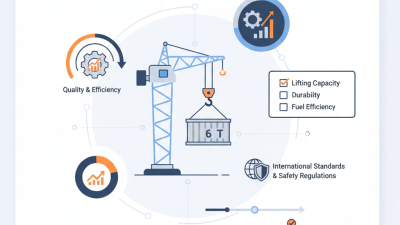
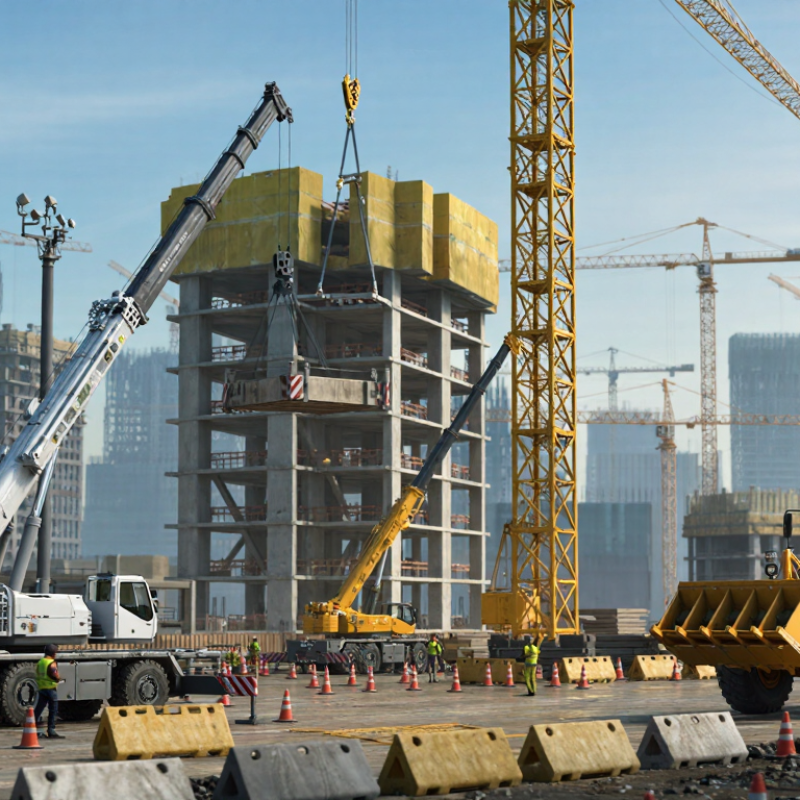
Crane choice depends on the worksite: tower cranes are suited to long-duration high-rise projects, while mobile cranes offer different advantages for off-road work and frequent travel.
How to read this chart: The 1–5 scores are a qualitative planning guide, not measured performance or a safety rating. Confirm crane capacity, ground conditions, wind limits, setup clearances, and the lift plan with qualified personnel before selecting equipment.
Which Safety Crane Best Fits Each Application?
What Is the Best Type of Safety Crane in 2026?
The best safety crane depends on the worksite, load, and lifting pattern. For indoor production, an overhead crane suits repeated lifts along a fixed bay. A gantry crane works well outdoors or where a permanent runway is impractical. Tower cranes serve tall construction projects with broad reach, while mobile cranes fit changing sites and varied lifts. For a compact workshop, a jib crane can move parts between nearby stations. Small spaces matter.
NIOSH recorded 632 crane-related worker deaths in the United States from 1992 to 2006, an average of about 42 per year. Its report, Crane-Related Occupational Fatalities in the United States, 1992–2006, underscores why selection should include more than lifting capacity. Check the heaviest load, reach, ground conditions, headroom, and how often lifts occur. A crane that looks ideal on paper may not suit a cramped yard or uneven floor.
Tips: Match the crane to the actual load path, not just the maximum load. Confirm clearances and floor or ground capacity before installation. Keep a written lift plan for complex or changing lifts, and have qualified personnel verify the setup. I’d recheck the choice after the first week of operation; real workflows can expose constraints that drawings miss.