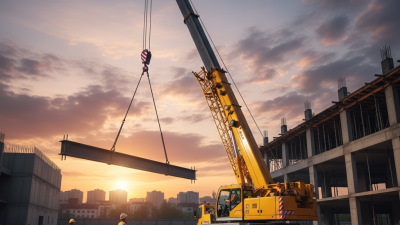
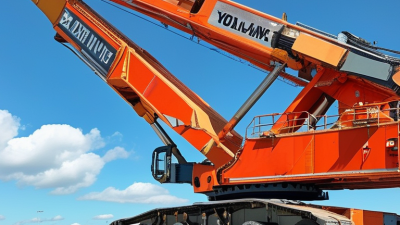
Choosing the right crane truck crane in 2026 requires more than comparing lifting capacity. Global buyers must examine terrain, road rules, maintenance access, operator training, and local service support. A compact knuckle-boom crane may suit urban deliveries. A telescopic truck crane may perform better on construction sites with longer reach. The best choice depends on the work.
Market evidence supports careful selection. MarketsandMarkets reports continued growth in the global mobile crane market, driven by infrastructure investment, construction activity, and industrial maintenance. Grand View Research also identifies automation, fleet modernization, and demand for efficient material handling as important market influences. These reports offer useful direction, but their categories do not always separate truck-mounted crane types clearly. That limitation matters.
Mike Parnell, a recognized crane-safety educator and lifting-industry specialist, has emphasized a practical principle: “A lift plan is a control system, not just a form.” That idea should guide every purchase decision. A crane truck crane with impressive specifications can still underperform on soft ground, narrow streets, or poorly planned loading routes. Small details matter. Boom storage. Outrigger width. Hydraulic response. Cab visibility.
This guide compares the leading crane truck crane types for international buyers in 2026. It considers rated capacity, working radius, transport efficiency, serviceability, and operator safety. It also questions a common assumption: the largest crane is rarely the most economical one. A careful buyer should review supplier data, independent inspections, and regional support before signing an order. Specifications can look perfect on paper. Field conditions are less forgiving.
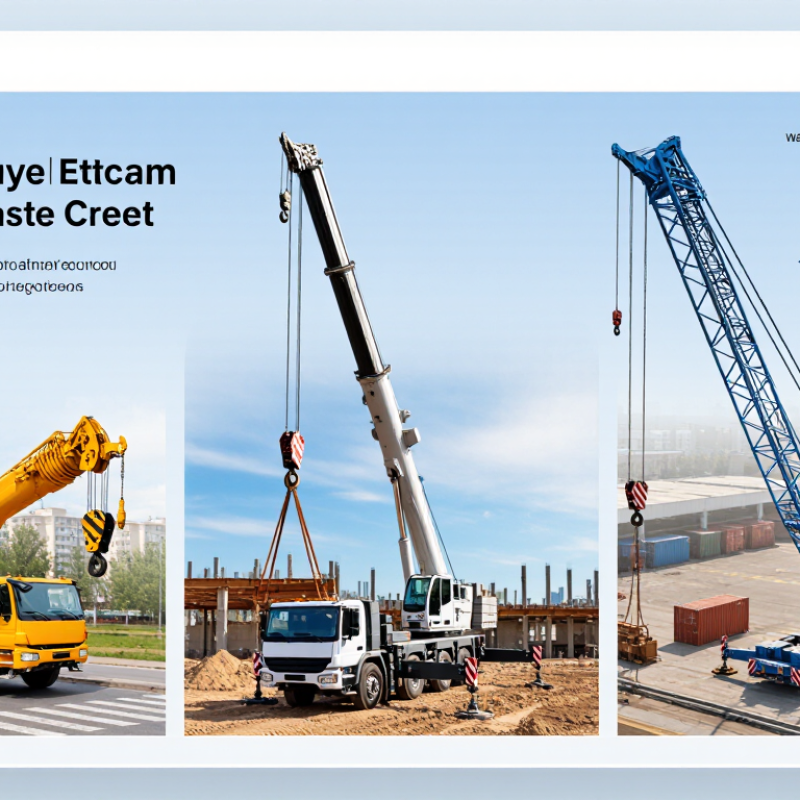
Choosing a crane truck starts with its working pattern, not its advertised lifting capacity. A knuckle boom suits deliveries in tight yards and beside buildings. A telescopic boom offers faster reach across open construction areas. A straight boom provides useful stability for repeated, controlled lifts. The right configuration depends on load weight, reach, road access, and daily working hours.
The chassis carries the entire lifting system. Its frame, wheelbase, suspension, and axle capacity must match the crane’s maximum moment. The hydraulic pump, reservoir, control valves, and cylinders determine movement speed and precision. A power take-off transfers engine power to the hydraulic system. Small details matter. During field checks, I look for hose protection, clean fittings, and accessible maintenance points.
Outriggers are not optional decoration. They widen the support base and reduce sway during lifting. Their position must suit uneven ground and nearby obstacles. The load chart should be readable from the operator’s station, with ratings linked to boom angle and outreach. I have seen buyers focus on maximum tonnage and overlook rear axle loading. That mistake can affect safety, tire wear, and long-term operating costs.
Cab visibility, control layout, and emergency stopping functions also deserve practical testing. Ask the supplier for unloaded and loaded demonstrations. Measure the actual lifting radius. A configuration that looks efficient on paper may feel cramped at a real worksite. Local road dimensions, inspection rules, and climate conditions can change the best component choice.
Choosing a truck-mounted crane starts with the lifting requirement, not the advertised maximum capacity. A telescopic boom suits roadside construction, where reach changes frequently and setup space is limited. A knuckle-boom crane folds compactly and works well for palletized materials, urban deliveries, and loading beside buildings. A stiff-boom crane offers direct, responsive handling for repeated lifts near the vehicle. It is less flexible at long reach.
Grand View Research valued the global mobile crane market at approximately USD 16 billion in 2023 and projects continued growth through 2030. This expansion reflects infrastructure maintenance, energy projects, and industrial logistics. However, market growth does not mean every crane type fits every site. A 10-ton crane may lift its rated load only at a short radius. At six or eight meters, its usable capacity can fall sharply.
For buyers, compare load charts, boom length, outrigger footprint, hydraulic control, and truck payload together. A knuckle boom may need more careful stability planning on uneven streets. A telescopic crane can reach farther, but its longer boom may increase tail-swing and setup demands. Check regional service support and operator training records before purchase. ISO 4301-1 provides a recognized framework for crane classification and duty cycles. Still, classification is not a substitute for a site lift plan. Real projects are rarely as tidy as spreadsheets suggest.
Evaluating Capacity, Reach, Mobility, and Operating Environments
Global buyers should match crane capacity with real lifting distances. A crane truck may lift eight tons near its base, but far less at full reach. Load charts show this change clearly. Read them carefully. The number alone misleads.
Knuckle-boom cranes suit deliveries in narrow yards and crowded streets. Their folding arms need less storage space. Telescopic cranes offer longer, straighter reach for construction materials and maintenance work. Stiff-boom cranes provide direct lifting power, often with simpler controls. At full extension, wind and ground movement matter more. Leave a safety margin. Not always.
Mobility depends on the truck chassis, axle layout, tire choice, and outrigger design. Urban projects need compact dimensions and quick setup. Rough sites require strong clearance, stable outriggers, and suitable traction. Coastal areas demand protection against salt exposure. Cold regions can affect hydraulic response and battery performance. Site inspections often reveal gaps between brochure figures and daily working conditions. A level surface may become unstable after rain. Operators also need clear visibility, practical controls, and regular inspections. The best crane type is not the largest one. It is the one that maintains stable performance across the buyer’s actual routes, loads, and operating environment.
2026 Best Crane Truck Crane Types for Global Buyers?
Selecting Crane Trucks for Regional Regulations and Work Conditions
A crane truck should match the road, not just the lifting chart. In dense cities, a compact knuckle-boom crane improves maneuverability around narrow streets and parked vehicles. Telescopic cranes suit longer reach and more controlled placement on open construction sites. Stiff-boom cranes can offer strong lifting performance, but they need careful space planning. Check axle limits, vehicle dimensions, lighting rules, emissions requirements, and operator certification before purchase. These details differ widely between regions. Local approval documents should be reviewed by a qualified transport or safety professional.
Work conditions matter just as much. Muddy ground, steep access roads, coastal salt, and high temperatures can reduce productivity and component life. Specify suitable tires, stabilizer design, corrosion protection, hydraulic cooling, and cabin visibility. A larger crane is not automatically better. It may increase operating weight and restrict legal road access. That trade-off is easy to miss during a showroom inspection. Measure twice.
Tips: Ask suppliers for real load charts, not only maximum lifting figures. Test the crane with the truck loaded as it will work daily. Inspect stabilizer reach beside walls and traffic lanes. Confirm spare-part availability and technician training in the target region. Keep a written record of local inspections, maintenance intervals, and site-specific risks. Conditions vary. Recheck assumptions before ordering.
| Crane Truck Type | Typical Rated Capacity | Typical Working Radius | Main Strengths | Best Work Conditions | Recommended Truck Configuration | Regional Regulation and Compliance Considerations | Key Buying Checks | Typical Buyer Profile |
|---|---|---|---|---|---|---|---|---|
| Knuckle-Boom Crane Truck | 1–30 tonne-metres; approximately 0.5–12 tonnes at short radius | Approximately 3–20 m, depending on boom sections and payload | Compact folded profile, precise loading, good maneuverability, and efficient self-loading capability | Urban construction, utility maintenance, timber handling, equipment delivery, and sites with limited access | Light- to heavy-duty rigid truck; auxiliary stabilizers are recommended for higher capacities | Check applicable vehicle width, axle-load, road-weight, lighting, guarding, and operator-training rules. European buyers commonly verify conformity with EN 12999 and applicable machinery and road regulations. | Rated capacity chart, hydraulic flow, stability with full outreach, folded height, PTO compatibility, and service access | Contractors needing frequent loading and unloading from one vehicle |
| Telescopic-Boom Crane Truck | 10–120 tonnes, depending on truck size and crane configuration | Approximately 8–45 m | Long vertical reach, strong lifting performance, and suitability for placing loads over obstacles | Industrial installation, bridge work, precast placement, infrastructure construction, and high-reach lifting | Medium- or heavy-duty truck with reinforced chassis, counterweight provisions, and multi-stage outriggers | Verify axle-group limits, road travel height, counterweight transport rules, lifting-plan requirements, and local inspection obligations. North American projects may also require compliance with applicable OSHA and CSA requirements. | Load chart at maximum radius, boom deflection, outrigger footprint, transport height, wind limits, and ground-bearing pressure | Users prioritizing vertical reach and lifting capacity over compact operation |
| Stiff-Boom Crane Truck | 5–80 tonne-metres; approximately 1–25 tonnes at short radius | Approximately 4–18 m | Rigid boom structure, high lifting power close to the truck, simple operation, and durable construction | Heavy materials handling, concrete products, machinery loading, shipyard support, and repetitive lifting cycles | Medium- or heavy-duty rigid truck with robust subframe and wide stabilizer stance | Confirm rated capacity certification, hydraulic-system safety, overload protection, stabilizer requirements, and local rules for operation near roads or power lines. | Maximum lift at minimum radius, boom transport position, hydraulic cooling, subframe reinforcement, and maintenance intervals | Buyers handling heavy loads repeatedly within a limited operating radius |
| Mini Crane Truck | 0.5–5 tonne-metres; approximately 0.2–2 tonnes | Approximately 2–10 m | Low operating cost, narrow body, low turning radius, and easier access to restricted locations | Residential construction, landscaping, glass installation, municipal work, and narrow urban streets | Light commercial truck or compact 4x2 chassis with short wheelbase | Check urban access limits, parking and road-weight rules, pedestrian protection, visibility equipment, and whether the crane requires a separate lifting inspection. | Vehicle width, gross vehicle weight, payload remaining after crane installation, stabilizer deployment, and noise level | Small contractors working in dense cities or confined job sites |
| Heavy-Duty All-Terrain Crane Truck | 50–300+ tonnes, depending on boom and counterweight package | Approximately 15–80 m | High lifting capacity, long reach, and improved mobility between prepared and semi-prepared work areas | Wind-energy construction, petrochemical projects, large infrastructure, power projects, and remote industrial sites | Multi-axle heavy truck or specialized all-terrain carrier with high-capacity suspension and outriggers | Oversize-load permits, escort requirements, bridge-capacity checks, axle-spacing limits, lifting supervision, and site-specific engineering approval are normally required. | Transport dimensions, counterweight logistics, ground pressure, wind-speed limits, emergency lowering, and spare-parts support | Industrial and infrastructure buyers with demanding lifting schedules |
| Off-Road Crane Truck | 5–60 tonnes, depending on chassis and stabilizer design | Approximately 8–35 m | High ground clearance, improved traction, strong approach angles, and operation on uneven or unpaved surfaces | Mining, forestry, oilfield service, rural infrastructure, disaster response, and undeveloped sites | 4x4, 6x6, or 8x8 chassis with off-road tires, locking differentials, and reinforced suspension | Confirm local off-road vehicle rules, transport width, emissions requirements, rollover protection, radio communication, and site-specific lifting procedures. | Gradeability, axle articulation, tire rating, ground-bearing pressure, water fording limits, and stabilizer performance on slopes | Operators working away from paved roads and established lifting pads |
| Utility and Aerial Work Crane Truck | 0.5–10 tonne-metres; personnel platforms require separate approval | Approximately 5–25 m | Combines material lifting with utility access, compact equipment transport, and service productivity | Power distribution, telecommunications, street lighting, tree maintenance, and municipal repairs | Light- or medium-duty truck with insulated or non-insulated configuration selected for the work scope | Work near energized lines requires specific approach distances, operator qualifications, grounding procedures, and local electrical-safety compliance. A personnel platform must meet applicable lifting and work-at-height requirements. | Insulation rating where applicable, platform certification, emergency descent, fall protection, dielectric testing, and payload at full height | Utility fleets combining lifting, access, and roadside maintenance tasks |
| Waste and Recycling Crane Truck | 1–20 tonne-metres; usually 0.5–8 tonnes | Approximately 4–15 m | Fast repetitive cycles, high visibility for roadside work, and compatibility with bins, containers, and recycling equipment | Municipal waste collection, scrap handling, construction-waste transfer, and recycling yards | Medium-duty rigid truck with reinforced body, hydraulic stabilizers, and suitable body volume | Check municipal vehicle dimensions, road-safety equipment, noise and emissions rules, waste-body guarding, and requirements for public-road operation. | Cycle time, hydraulic oil cooling, corrosion protection, body payload, grab compatibility, and cleaning access | Waste operators requiring repeatable lifting rather than long-radius placement |
| Timber and Forestry Crane Truck | 10–80 tonne-metres; approximately 1–20 tonnes | Approximately 6–25 m | High cycle productivity, durable boom construction, and precise handling of logs and irregular loads | Forestry roads, sawmills, timber yards, biomass handling, and roadside log collection | 6x4 or 6x6 chassis with reinforced deck, protective guarding, and hydraulic stabilizers | Verify axle-load limits, forestry-road access rules, load-securing requirements, lighting, guarding, and environmental restrictions in protected areas. | Grab capacity, boom protection, corrosion resistance, stability on uneven ground, tire traction, and load-securing points | Timber companies and logistics operators handling irregular loads in rough terrain |
| Refrigerated or Delivery Crane Truck | 0.5–8 tonne-metres; approximately 0.2–3 tonnes | Approximately 3–12 m | Combines goods delivery with on-site unloading, reducing the need for forklifts or separate lifting equipment | Building-material delivery, HVAC equipment, agricultural supplies, and remote-site logistics | Light- or medium-duty truck with a flatbed, curtain-side body, or temperature-controlled body designed around crane placement | Check remaining payload after body and crane installation, axle distribution, food or pharmaceutical hygiene rules where relevant, and local delivery-vehicle restrictions. | Payload after installation, tail-swing clearance, body insulation, unloading radius, stabilizer position, and fuel consumption | Distributors seeking one vehicle for transport and self-unloading |

2026 Best Crane Truck Crane Types for Global Buyers?
For global buyers, crane type should follow the worksite, not showroom appearance. A knuckle-boom crane suits urban delivery and tight loading areas. A telescopic crane offers longer reach and steadier lifting for infrastructure projects. Both need rated-load indicators, emergency stops, and clear visibility. The ILO and WHO Joint Estimates, published in 2023, recorded 2.93 million work-related deaths in 2019. That figure makes safety controls a purchasing requirement, not an optional feature.
Maintenance changes the real price. Buyers should check hydraulic hose routing, boom wear points, outrigger design, and access to filters. ISO 9927 supports regular crane inspections, while inspection intervals must reflect duty cycles and local requirements. The U.S. Bureau of Labor Statistics reported 1,069 fatal injuries in transportation and material-moving occupations in 2023. A strong inspection record cannot remove every risk. It can reveal weak habits before they become expensive failures. Fuel use, service hours, spare-part availability, operator training, and resale demand should enter the total-cost calculation. A cheap crane with frequent downtime may become the costly choice.
Tips: Request three years of service records. Test the crane under realistic load conditions. Compare rated capacity at different boom lengths. Calculate annual maintenance per operating hour. Check whether local technicians can diagnose electronic and hydraulic faults. Keep one uncomfortable question: does the truck still earn money when the crane is waiting for parts?
Comparative planning index for safety, maintenance simplicity, operating-cost efficiency, and long-term value. Higher scores indicate a stronger overall position; results vary by duty cycle, local regulations, operator skill, and service availability.
Knuckle-boom cranes provide strong versatility and compact deployment, while telescopic-boom cranes are well suited to greater reach and lifting height. Stiff-boom cranes generally offer simpler structures and maintenance, and light-duty loader cranes can reduce acquisition and operating costs for smaller payloads. This is an indicative industry benchmark rather than a quotation or certification.